NVIDIA
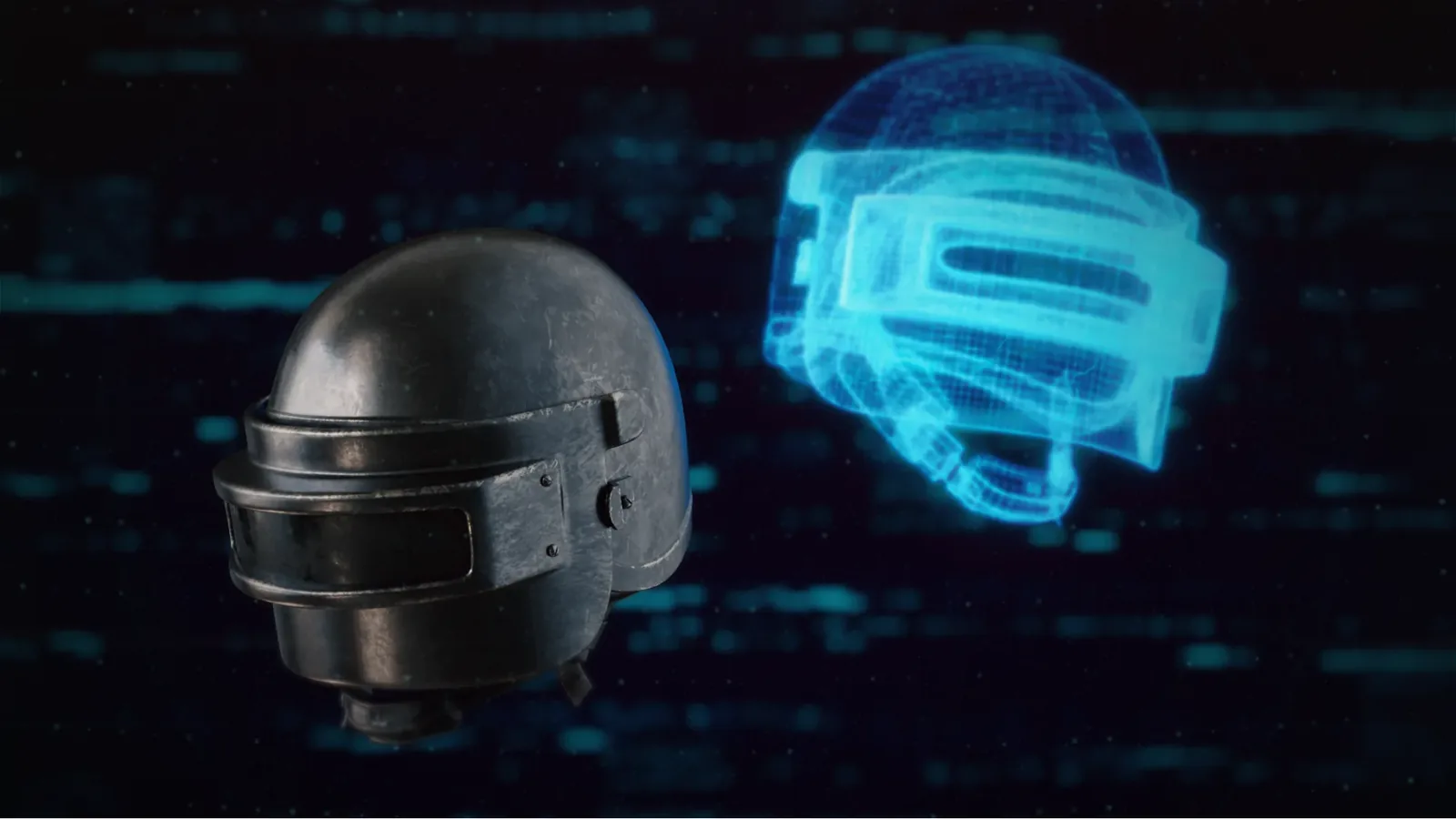
KRAFTON built PUBG Ally, a co-playable character (CPC) powered by NVIDIA ACE, running a 2 billion parameter Mistral-NeMo-Minitron-2B small language model entirely on the player's GPU. The model fits within the VRAM headroom left after PUBG: BATTLEGROUNDS rendering, and quantization allows it to run on GPUs with as little as 8 GB VRAM. By keeping inference local, the system eliminates network latency for both speech and language processing, according to NVIDIA.
System 1 and System 2 split
The primary engineering focus was the split between a System 1 behavior tree and a System 2 language model layer. The behavior tree handles reflex-level actions like movement, aiming, and immediate combat at game tick rate, without waiting for language model output. The language model handles deliberate reasoning, coordination, and speech generation. This division was key to meeting real-time latency requirements, KRAFTON said.
Player testing showed that responsiveness was valued more than broader general-purpose reasoning, which shaped the architecture. The behavior tree executes action commands from the language model, while the language model receives a plain-text description of live game state from the engine, along with player voice transcription from NVIDIA ASR. The model outputs speech text and action commands; speech text goes to a custom TTS model for Ally's voice, and action commands go to the behavior tree.
Grounding and memory
Ally's responses are grounded by requiring tool-based observation of live game state before speaking or acting. Tool calls fetch authoritative engine data, such as weapon ammo, health, and safe-zone status, as plain-text observations. During distillation, a teacher model reinforced the habit of re-observing via tools rather than relying on memory. Domain adaptation limits Ally to the Sanhok map and AI Duo mode.
Structured long-term memory stores player preferences and match history across sessions, while short-term memory tracks current match context. Prompt design reuses a KV cache, keeping stable instructions constant across turns to reduce computation. The teacher model distilled PUBG terminology and tool-use discipline into the on-device student model.
Validation and availability
KRAFTON validated Ally through automated protocol checks, live A/B playtests, and feedback from over a thousand players. The public beta launched on 17 June 2026 and runs in PUBG: BATTLEGROUNDS Arcade Mode until 30 June 2026. Ally supports English, Korean, and Chinese, with multilingual data including player slang, abbreviations, and map callouts specific to each language. The system was demonstrated at the Seoul GeForce Gamer Festival and in a GDC 2026 session.
For inference engineers, the key takeaway is the explicit trade-off: a 2B model quantized to fit 8 GB VRAM, paired with a behavior tree for low-latency actions, and a KV cache reuse strategy to cut per-turn compute. The tool-based grounding approach ensures the language model stays accurate without cloud calls, which is a practical pattern for edge AI gaming applications.
Sources & references
NVIDIA: Q&A: How KRAFTON Built PUBG Ally, a Co-Playable Character Powered by NVIDIA ACE ↗Source consulted: 2026-10-15
 Apple