 NVIDIA
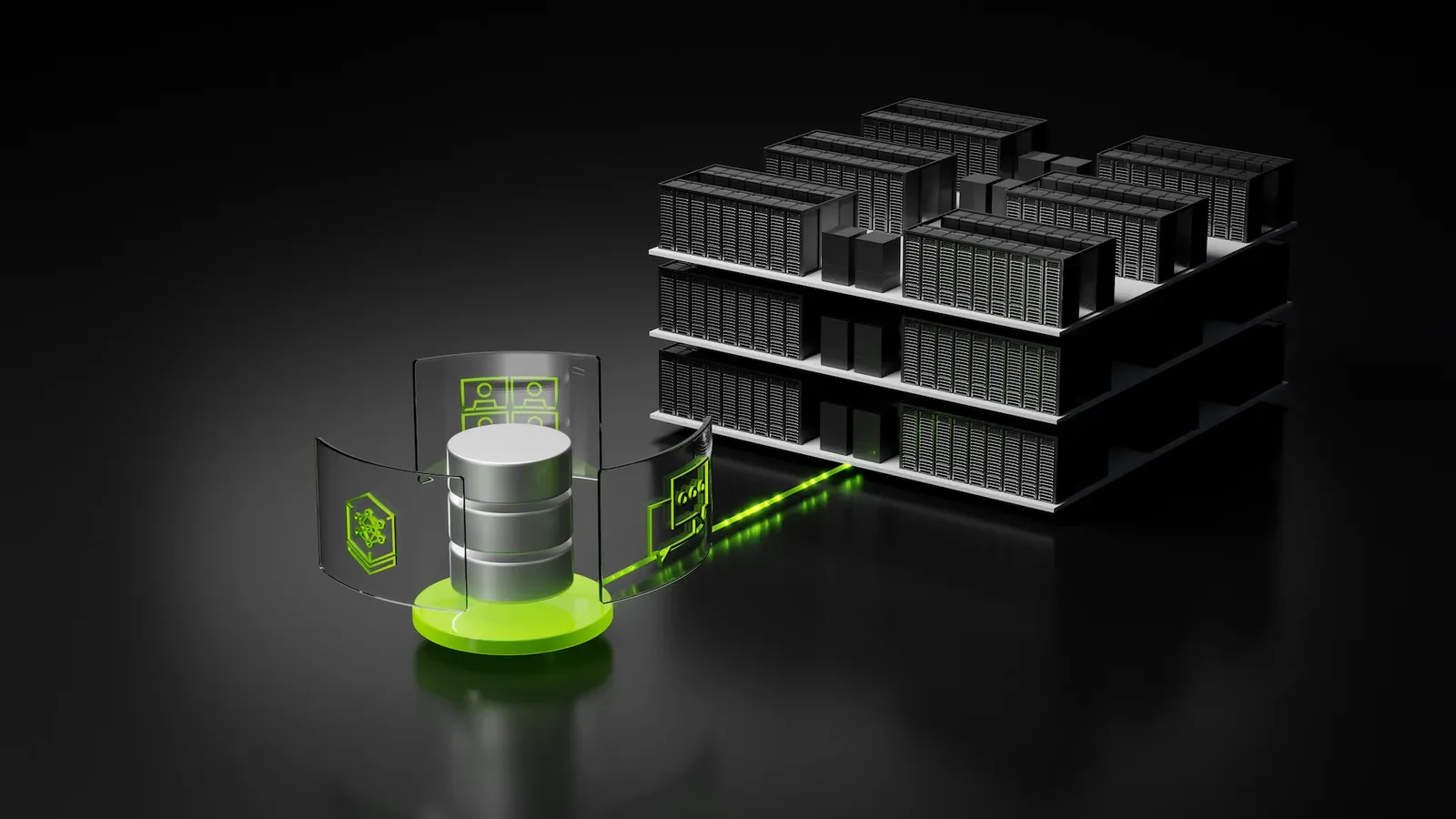
NVIDIA has made cuObject client and server libraries generally available, providing standardized APIs and an RDMA wire protocol for accelerated object storage access. The libraries let AI accelerators read and write objects over RDMA without routing data through the server CPU, which NVIDIA says enables higher throughput, lower latency, and reduced CPU utilization for data transfers.
The xio-sig consortium is expanding to include cuObject alongside cuFile. Google Cloud, already a maintainer for cuFile in xio-sig, is evaluating expanding its participation for cuObject. Microsoft plans to join the xio-sig Board to improve interoperability in storage I/O. The repository structure now has separate sections for cuFile and cuObject, with headers, the cuObject wire protocol, and library implementation code for libxFile and xFilekernel to be shared once the production-ready stack passes conformance tests. Governance documents are under review by pending board members.
SCADA Server SDK
NVIDIA also announced the SCADA Server SDK, which enables storage providers to build servers that respond to GPU-initiated requests from SCADA clients. The SDK includes a Storage Lender Service and a command-line utility for configuring and deploying SCADA. IBM Storage has demonstrated a prototype where a SCADA client sends requests to an initial version of the Storage Scale SCADA server built on the SDK.
SCADA is the software infrastructure supporting the NVIDIA Storage-Next initiative, which coordinates over 40 vendors and customers to define open industry standards for GPU-driven, fine-grained storage access. This emerging class of AI data access involves small I/O requests initiated by accelerators that don't fit traditional storage media or protocols.
What it means for model serving
For inference engineers, the practical change is that object storage can now be accessed with RDMA-accelerated, zero-copy transfers without provider-specific integrations. The cuObject APIs and wire protocol provide a common path for building accelerated object storage clients and servers. The xio-sig expansion aims to make the cuObject client interoperate with any server-side implementation that adheres to the wire protocol, which could simplify how models fetch context, embeddings, or other data stored as objects.
The SCADA Server SDK targets storage vendors, but the resulting servers would respond to GPU-initiated requests, potentially reducing CPU involvement in data paths for workloads like semantic search, recommender systems, and fraud detection. NVIDIA positions these efforts as part of a broader push for open standards in storage I/O, with the xio-sig repository as the place to watch for updates on cuObject and cuFile interoperability.
Developers can download cuObject Server 2.0.0 and review cuObject documentation to start evaluating the libraries. The production-ready stack still needs to pass conformance tests before the full implementation code is shared.
Sources & references
NVIDIA: Expanding AI Storage Access with NVIDIA cuObject and the NVIDIA SCADA Server SDK ↗Source consulted: 2026-10-14


